Castle Tour
Visit to the Château de Langeais – The last fortified castle in the Loire Valley A must-see site in Langeais: what to see, what to do, visit a Loire Valley castle: The Château de Langeais , built from 1465 onwards on the orders of Louis…
 Offered by
Langeais Castle
Langeais
Offered by
Langeais Castle
Langeais
Description

Visit to the Château de Langeais – The last fortified castle in the Loire Valley
A must-see site in Langeais: what to see, what to do, visit a Loire Valley castle:
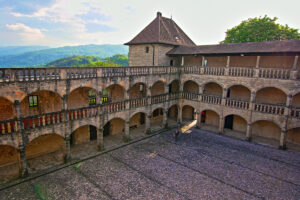
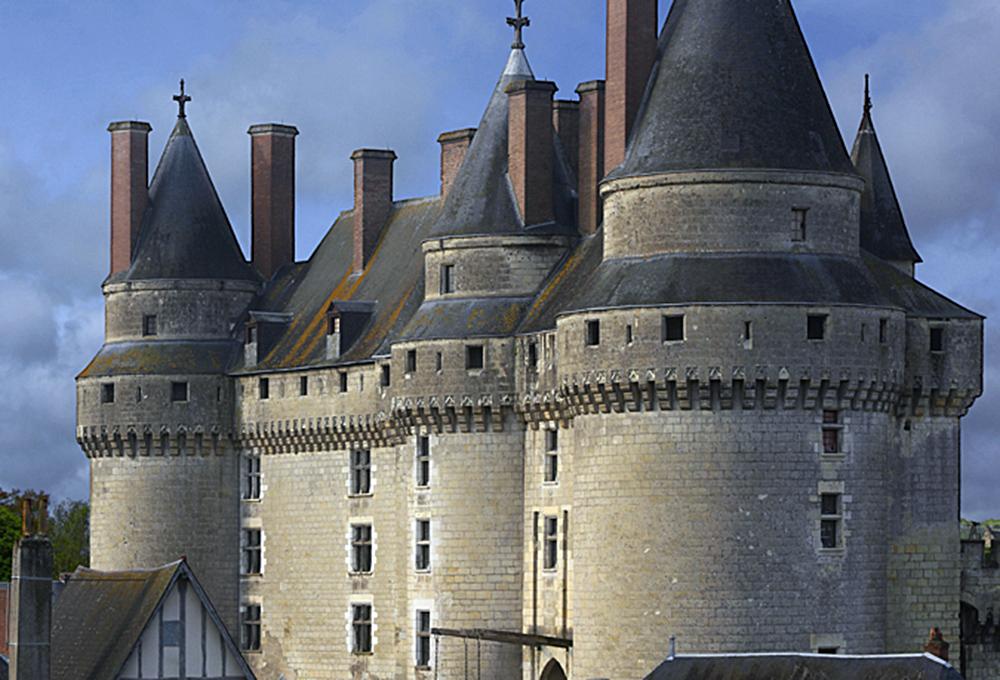
The Château de Langeais , built from 1465 onwards on the orders of Louis XI, is the last perfectly preserved fortified castle in the Loire Valley. This iconic monument retains all the characteristics of a medieval fortress: a working drawbridge , a wall-walk , and a watchtower , allowing visitors to relive the atmosphere of the Middle Ages.
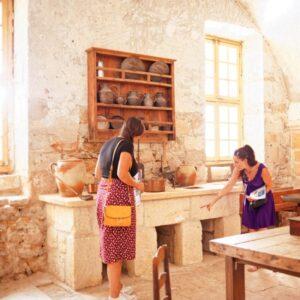
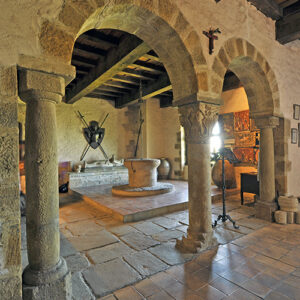
The castle immerses you in the world of the great lords of the late Middle Ages, with a rich collection of period objects: 15th and 16th-century French and Flemish tapestries , Gothic furniture, paintings, sculptures, paving tiles, woodwork, and everyday objects. This exceptional heritage illustrates the lifestyle and refinement of the aristocracy of the time.
In the heart of Touraine, the Château de Langeais is one of the last fortresses built by the royal power . A beautiful 15th-century manor house, it was built between 1465 and 1467 by Bourré for Louis XI. However, Langeais is mentioned in texts well before this construction. Indeed, around the year 1000, the powerful Count of Anjou, Fulk Nerra, founded the fortified settlement of Langeais opposite Tours, the most important city in the region. Today, overlooking the gardens, the remains of the oldest stone keep in France, "Foulk Nerra's Keep," still stand. For centuries, the keep of Langeais remained a fortress. The building, as it appears today, is the work of Louis XI. The château seems to have been built quickly and, as a result, exhibits a great deal of uniformity. Its austere exterior recalls its function as a fortress and presents the typical image of a traditional fortified castle, with the appearance of a defensive site. Only the south and east sides of the planned quadrangle were built: a large main building, next to a substantial entrance pavilion, and, at a right angle, a wing of a similar design. All of these facades are topped with high slate roofs that can be seen from afar. A working drawbridge, imposing towers, curtain walls, a covered parapet walk, and machicolations formed a robust defensive system against attacks. These features make Langeais one of the most significant examples of 15th-century architecture. Inside, the castle displays the classic layout of a large late medieval residence, with halls and chambers adorned with grand fireplaces and exceptional tapestries. Some fireplaces are remarkable for their finely sculpted decoration, such as the one in the guardroom, which depicts a four-towered fortress. Along the machicolated parapet walk, merlons and crenellations alternate, featuring the heads of guards amidst a backdrop of oak leaves, vine leaves, flamboyant arches, and cornices of candied cabbage leaves. On the top floor of the castle, a superb ship's-hull roof structure gives its impressive volume to the upper hall, now a chapel. The original decor and furnishings were restored at the end of the 19th century by Jacques Siegfried, the last owner, a businessman and enlightened art lover. He wished to restore the castle to its princely appearance, as it had been at the time of the marriage of Charles VIII and Anne of Brittany. Tapestries, furniture, paintings, sculptures, woodwork, fabrics... all the most significant objects from the flamboyant aristocratic milieu of the 15th century, available on the art market of the time, were systematically acquired over a period of twenty years. Today, they form an exceptional collection from the 15th and 16th centuries, while also lending the château its welcoming and vibrant character. Alongside the naturalistic floral motifs of the "millefleurs" tapestries, other major themes popular in the Middle Ages are represented: chivalry, sacred history, hunting scenes, nature, and numerous allegories. Leaving the château, to the west, on a promontory, stretches a vast park and a wood. The gardens, created on the terrace, were modified several times: at the beginning of the century, by Jacques Siegfried, who commissioned Henri Duchesne to design a pleasure garden; then, in 1961, by Henri Hautecœur, a member of the Institut de France (Académie des Beaux-Arts), who proposed a reconstruction of a medieval garden. His aim was to draw inspiration from the illuminations in the Book of Hours of Anne of Brittany, which depicts the queen's garden at Amboise. The courtyard is now enclosed by a shallow moat and ends to the south with a terrace, from which visitors can admire one of the most beautiful views of the Loire River.
The Château de Langeais also regularly offers exhibitions and activities on the theme of the Middle Ages, providing an immersive and enriching experience for visitors of all ages.
Opening hours for visiting Langeais Castle:
- January: 10am-5pm
- February – March: 9:30am-5:30pm
- April 1st – June 30th: 9:30am-6:30pm / open May 1st and 8th
- July – August: 9:30am-7pm
- September 1 – November 11: 9:30 a.m. – 6:30 p.m.
- Nov 12 – Jan 31: 10 a.m. – 5 p.m.
- Except December 25th: 2pm-5pm
Christmas holidays: 10am-5:30pm. Last entry one hour before closing.
Prices for visiting Langeais Castle
Individual Visitors - Adults €12 - 18-25 years €10 - 10-17 years €6 - Under 10 years Free - Season Ticket / Valid for 1 year €25 Group Visitors (20 people or more, price per person) - Self-guided tour (adults) €8.50 - Guided tour €55 + €8.50 per person - Tour and Dance (maximum 30 people, 2 hours) €17.50 Following the tour, an introduction to medieval music and dances, accompanied by the harp or psaltery. - Tour and Tasting (maximum 45 people, 2 hours) €19.50 Following the tour, a welcome in the banquet hall by the Bourgueil winemakers and wine tastings paired with regional products.
Complementary information

Customer reviews

No reviews yet.
Log in to leave a review. Login
Supplier information
Langeais Castle
 Langeais
 The last perfectly preserved fortified castle in the Loire Valley.
Built from 1465 onwards on the orders of Louis XI, the Château de Langeais exhibits all the characteristics of a fortified castle: a working drawbridge, a wall-walk, and a watchtower.
The castle illustrates the lifestyle of the great lords of the late Middle Ages and houses an important collection of 15th- and 16th-century French and Flemish tapestries, Gothic furniture, paintings, sculptures, paving tiles, woodwork, and everyday objects.
The castle regularly hosts exhibitions and events on the theme of the Middle Ages.