Bélesta, Visit to the Castle and the permanent collection
 Offered by
Bélesta Castle Museum
BELESTA
Offered by
Bélesta Castle Museum
BELESTA
Description

The visit begins with a presentation of the medieval castle of Bélesta, dating back to 1258, followed by a tour of the collection unearthed from the archaeological excavations of the Bélesta cave. There, we discover the remains of Neolithic man, dating back 6,500 years. We also see authentic tools, including stone axes, bone needles, foundry molds, and exceptional ceramics in near-perfect preservation, also 6,500 years old. Life-size reconstructions of the cave, including a burial chamber and an excavation trench, are also on display.
Bélesta, visit the castle, the prehistoric cave and its museum
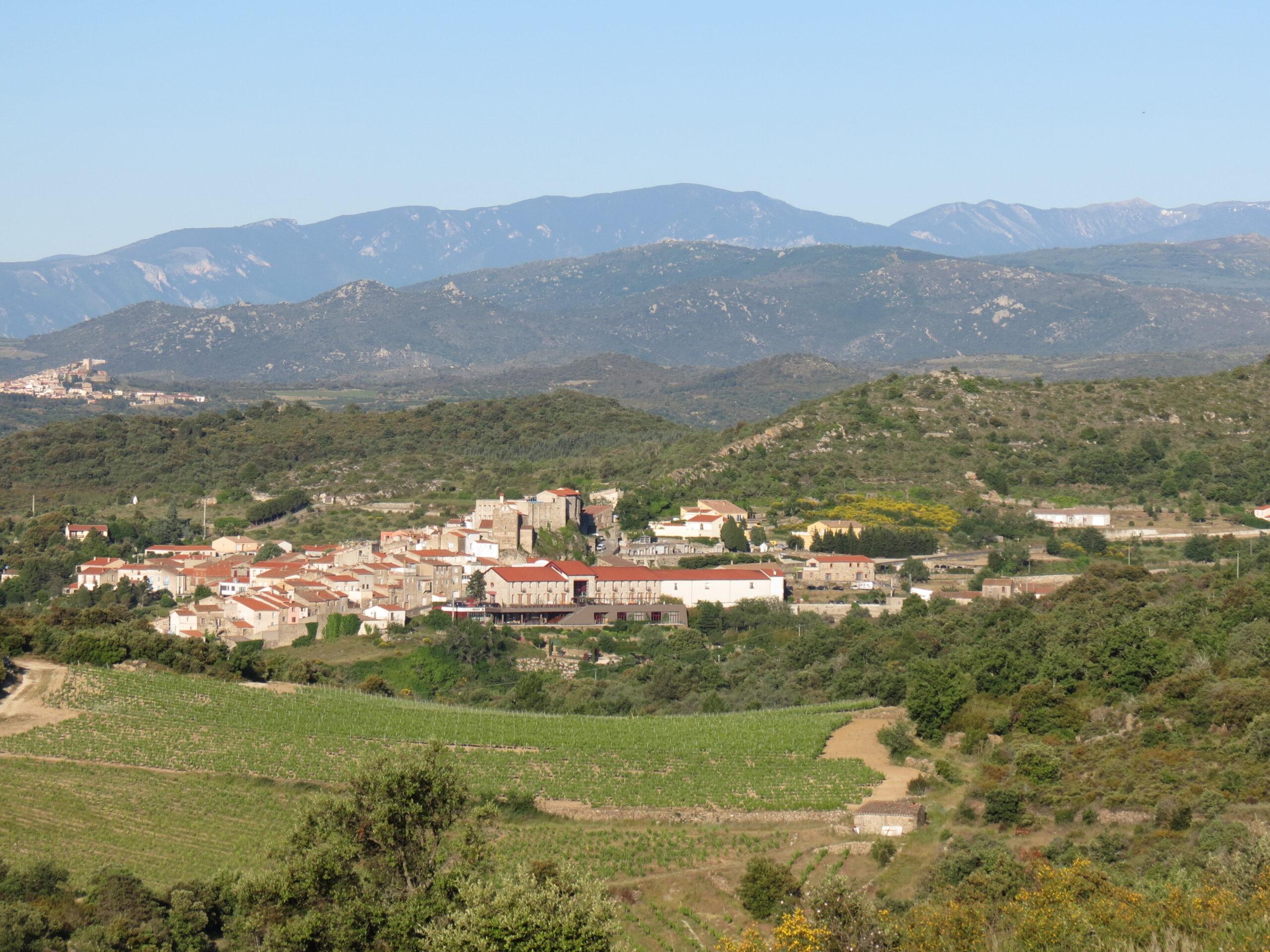
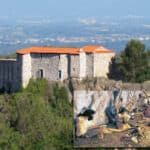
There are places that the hurried traveler passes through without suspecting the centuries they hold. Bélesta belongs to this discreet category of villages where history seems to have chosen to settle slowly, without unnecessary fanfare. Dominating the lower slopes of the eastern Pyrenees, the castle has watched over a valley for several hundred years, a valley whose paths were traversed long before chroniclers thought to describe them.
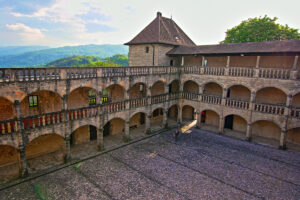
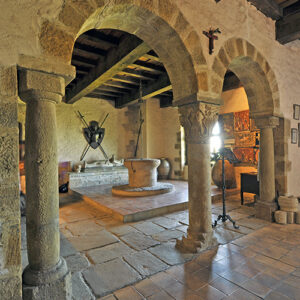
The building today resembles a fortified residence , its successive transformations telling almost as much of a story as the events it witnessed. The oldest sections recall the defensive needs of the Middle Ages; later additions reflect an era when comfort gradually replaced purely military concerns. The walls of local stone, a warm hue subtly nuanced by the southern sun throughout the day, bear the marks of restorations, yet these have not altered the overall character of the monument.
One would search in vain here for the extravagance of royal residences. Bélesta Castle retains a human scale that invites observation rather than ostentatious awe. Each room, each staircase, each window opening onto the landscape reminds us that these dwellings were first and foremost meant to be inhabited before being admired. This simplicity is undoubtedly their true nobility.
Visitors quickly discover that the castle doesn't just house relics of the medieval period. It has become the guardian of a far more ancient history thanks to the museum that occupies part of its halls. There, one realizes how a few objects, collected with care and presented with insight, can bring to life the lives of people who disappeared millennia ago.
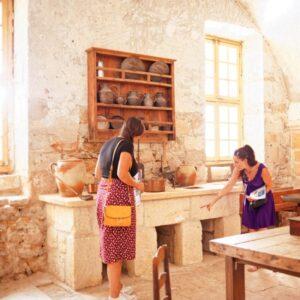
The display cases do not seek to impress with their abundance. On the contrary, each piece seems to have been chosen to illuminate a specific aspect of the daily lives of the region's first inhabitants. Carefully crafted flint points, polished stone tools, ceramic fragments, ornamental objects, and bone remains compose a silent narrative that the imagination easily fills in. Archaeology, when it forgoes the spectacular, acquires a singular eloquence.
This collection originates from an exceptional discovery : the prehistoric cave of Bélesta . Hidden for thousands of years beneath the mountain, it preserved intact the evidence of a Neolithic human community. The circumstances of its discovery were one of those fortunate accidents that sometimes reward even the most ordinary endeavors. The archaeologists immediately understood that they had before them a collection of remarkable scientific value.
The cave yielded several collective burials accompanied by funerary objects whose preservation allowed for a better understanding of the practices of populations living nearly five thousand years ago. The bones, weapons, tools, ornaments, and containers found in their original arrangement offer rare insight into the beliefs and funerary customs of this remote era.
Contemplating these remains, the visitor experiences a unique feeling. Chronological distances gradually fade before the evidence of human actions. The one who shaped a flint blade, the one who placed a vase beside a deceased person, or the one who engraved a simple decorative motif, was already responding to the same essential concerns as future generations: to live, to pass on knowledge, to honor the departed.
The museum has managed to preserve this emotional impact without resorting to theatrical artifice. The explanations remain precise, the objects speak for themselves, and the silence of the galleries contributes almost as much as the collections themselves to understanding the place. This restraint is perhaps the best way to serve history.
Leaving the castle behind and returning to the bright light of the Catalan landscape, one's gaze sweeps across a peaceful countryside where nothing hints at the extraordinary depths of time. Yet, beneath these familiar hills lie the traces of forgotten civilizations. Bélesta Castle, its museum, and the prehistoric cave serve as quiet reminders that heritage resides not only in the stones erected by humankind, but also in those that have preserved their memory for millennia. It is up to the attentive traveler to recognize this silent continuity that unites the prehistoric world, the medieval fortress, and the vibrant village of today.
Visit to the castle and prehistoric cave:
Prices for individuals: - Full price admission €5.50 - Reduced price admission €4.50 (students, children aged 12 to 18, Intersite Pass holders, unemployed, large families, and groups) - Free admission for children under 12 and for people with disabilities. Prices for groups: - Guided tour package: €6 per person. - Guided tour package of the museum and a site (cave or dolmen): €9.00 per person. School groups: - Self-guided or guided tour of the museum: €3.50 - Guided tour and a 1-hour workshop (clay modeling, engraving, or jewelry making): €6.00 - Prehistoric day trip: Guided tour and a 1-hour workshop (clay modeling, engraving, or jewelry making) and a visit to the cave or dolmen (approximately 40-minute walk): €9.00 For guided tours: Reservations are recommended 15 days in advance.
Complementary information

Customer reviews

No reviews yet.
Log in to leave a review. Login
Supplier information
Bélesta Castle Museum
 BELESTA
 Proudly overlooking the village, the Bélesta Castle Museum is an iconic landmark that <strong>blends heritage, archaeology, and local history</strong> . Built on the hillside, it now houses a modern and engaging museum focused on major archaeological discoveries, particularly Neolithic remains. The <strong>archaeological collections</strong> of the Bélesta Castle Museum <strong>originate from the Cauna de Bélesta cave site.</strong> On display are ceramics offered to the deceased, buried in the Middle Neolithic burial chamber (4500 BC), as well as a wealth of artifacts from the cave's main entrance chamber: worked bones used as tools for making clothing, spindle whorls (clay balls used to weight the spindle), polished axes made of hard stone, bone needles, millstones for producing flour, and more. The accessible and engaging museum experience blends objects, models, videos, and reconstructions to bring to life the lives of the region's first inhabitants. A must-see for anyone wanting to delve into the deep roots of the Catalan territory, between the distant past and collective memory.