
Escape games have taken the world by storm, offering a fun, stimulating, and immersive experience. But did you know you can enjoy this adventure in exceptional historical settings? From medieval castles and mysterious abbeys to forgotten fortresses and even museums transformed for the occasion, these history-steeped locations add a unique dimension to the escape game experience. Whether with friends, family, or as a corporate team-building activity, these experiences combine entertainment, culture, and team bonding. Here is a comprehensive guide to everything you need to know about escape games in historical venues: price ranges, highlights, benefits, clothing tips, and what to look out for.
1. Why choose an escape game in a historic place?
Total immersion
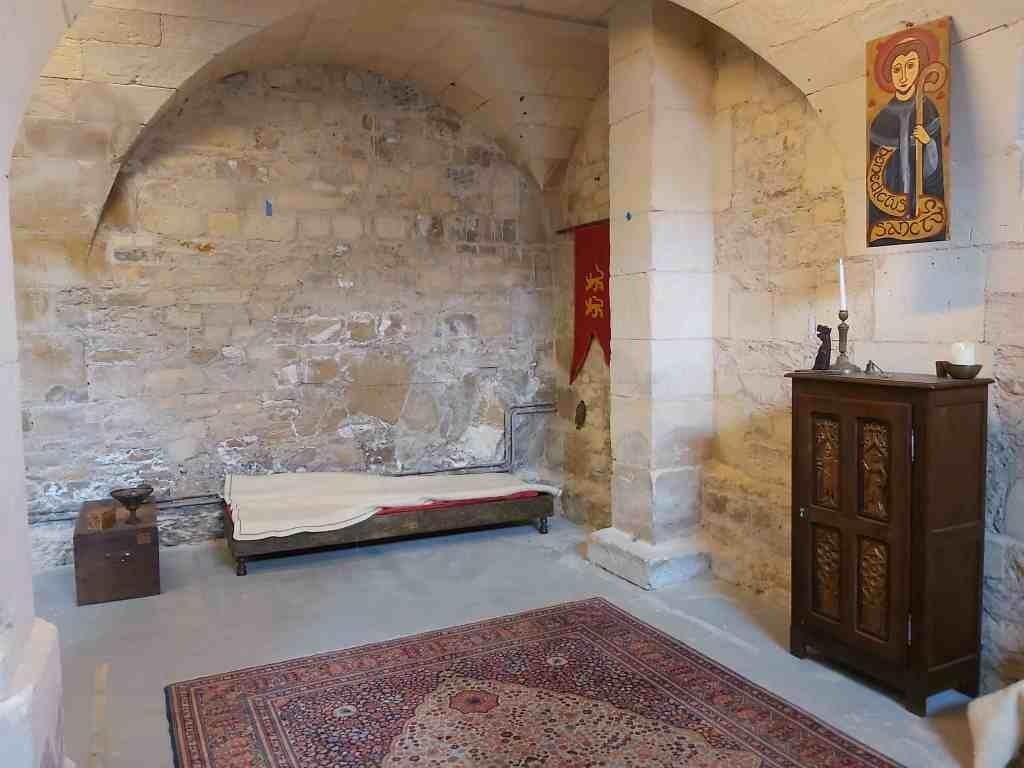
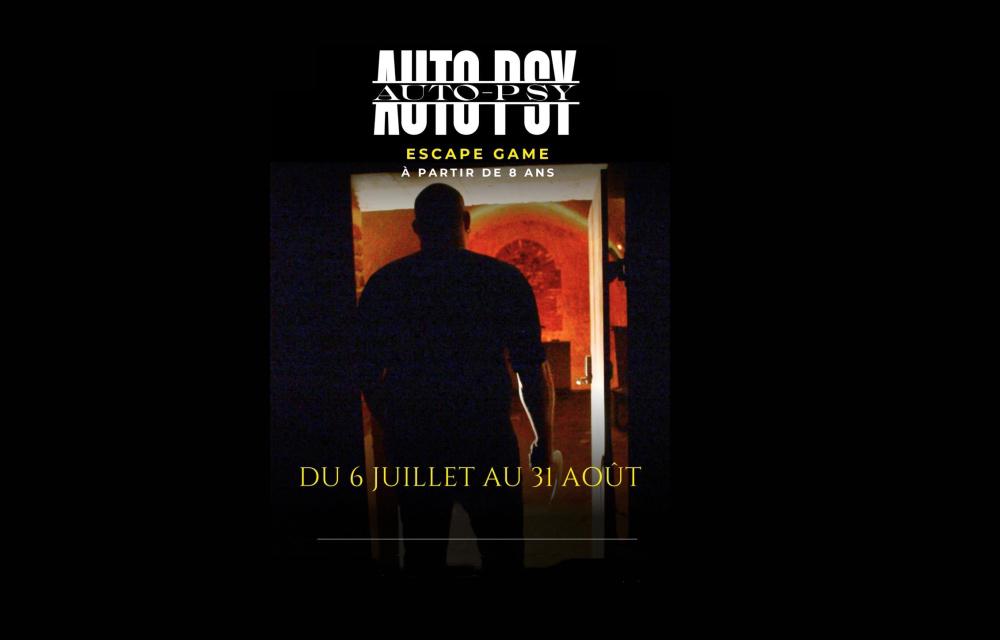
Classic escape games, often located in themed urban venues, already offer captivating immersion. However, when the adventure unfolds in a 15th-century castle, a Romanesque abbey, or a haunted manor, the experience takes on a whole new dimension. Stone walls, Gothic vaults, spiral staircases, and secret rooms become integral parts of the storyline. The atmosphere—created by sounds like footsteps, echoes, and wind in the corridors, alongside visuals such as dim lighting, stained glass, and frescoes—deepens the immersion, transporting players to another era.
A unique blend of culture and entertainment
These escape games offer a fun way to discover history. The puzzles are often inspired by local legends, historical events, or mysteries associated with the place. For instance, in a castle, you might be tasked with solving a riddle involving a lord’s disappearance, a search for hidden treasure, or the freeing of a ghost. In an abbey, scenarios might revolve around lost manuscripts, forgotten rituals, or political secrets.
An experience suitable for all audiences
With friends: Ideal for a birthday, a bachelor or bachelorette party, or a unique night out. The historic atmosphere adds a touch of the exotic and a sense of mystery.
For families: Perfect for sparking children’s curiosity (ages 8–10 and up, depending on the game) and introducing them to history in an interactive way. Some locations offer family-friendly versions with more accessible puzzles.
For team building: Companies find an exceptional setting here to strengthen team cohesion, communication, and problem-solving within an inspiring environment.
2. Price ranges
Individual (adult)
€20–€35
1h – 1h30
Venue access, gaming equipment, hosting/entertainment
Child (6–12 years old)
€12–€20
45 mins – 1 hour
Adaptation of puzzles, guidance
Group (6–10 people)
€15–€25 per person
1h – 2h
Private booking, personalized scenario
Team building (more than 10 persons)
€25–€50 per person
1h30 - 3h
Dedicated activity, debriefing, refreshments
Private hire (20+ people)
€500–€1,500
2h – 4h
Exclusive access, tailor-made scenarios, catering
Please note:
Some places offer reduced rates for students, seniors, or local residents.
Publicly managed castles and abbeys (run by tourist offices or associations) often have more affordable prices than private sites.
Packages (e.g., a “discovery day” featuring a guided tour and an escape game) may be available.
Reservations are required in most cases, especially for groups.
3. The advantages of escape games in historic places
An exceptional setting
Playing inside a fortified castle, an abbey crypt, or a dungeon is a unique and memorable experience. The settings are authentic: no fake cardboard walls, but centuries-old stone, solid wood doors, and period artifacts (whether reproductions or originals).
Original and immersive scenarios
Creators of escape games set in historic locations often draw inspiration from local legends or real events:
Investigation in a haunted castle (e.g., solving the mystery of the White Lady of Combourg).
The Curse of the Abbey (find a lost parchment to lift a curse).
The Templar’s Treasure (deciphering clues hidden in a commandery).
Prison escape (from a castle tower converted into a dungeon).
An educational dimension
These games make learning fun:
Discovering medieval architecture (e.g., understanding the function of machicolations or oubliettes).
An introduction to heraldry, historical calligraphy, or the secret codes of the Middle Ages.
Learning historical vocabulary (e.g., “portcullis,” “keep,” “scriptorium”).
Strengthening social ties
With friends: Adrenaline and immersion create powerful shared memories.
As a family: Parents and children work together to solve puzzles, fostering interaction.
For companies: The historic setting stimulates creativity and takes teams out of their usual environment.
5. How should you dress for a historical escape game?
Even though most escape games at historic sites take place indoors, it is important to choose your outfit carefully to fully enjoy the experience:
Clothing tips
Opt for comfortable clothing: You will be walking, squatting, and rummaging around (in chests, under furniture, etc.). Avoid skirts that are too short or trousers that are too tight.
Closed, non-slip shoes: Floors may be uneven (cobblestones, worn stone) or slippery (especially in cellars or dungeons).
Weather-appropriate clothing: If part of the game takes place outdoors (castle courtyard, abbey garden), bring a light jacket or a coat, depending on the season.
Avoid high heels: Spiral staircases and old floors are not suitable for high-heeled shoes.
Practical accessories: A lightweight backpack can be useful for stowing a sweater or a water bottle (if permitted).
Avoid
Oversized clothing (risk of snagging).
Bulky jewelry (long necklaces, noisy bracelets).
Open-toed shoes (sandals, flip-flops).
6. Who can participate?
Escape games in historic locations are accessible to almost everyone, though with a few caveats:
Minimum age
Children: Most games accept children from 8-10 years old, accompanied by an adult. Some places offer versions adapted for 6-12 year olds.
Teens: Perfect for 12- to 18-year-olds who love adventure and challenges.
Adults: All ages are welcome!
Difficulty level
Beginners: Opt for scenarios rated “easy” or “family.”
For experienced players: Choose complex puzzles (e.g., escape games featuring Latin codes or mechanical puzzles).
Experts : Certains lieux proposent des niveaux « expert » avec des défis très poussés.
Accessibility
People with reduced mobility: Please check in advance. Some castles or abbeys have accessible facilities, while others (with narrow staircases) may be difficult to access.
For claustrophobic individuals: Avoid scenarios set in underground areas or cramped spaces.
7. What to discover in these escape games?
Types of places
The castles
Examples: Château de Combourg (Brittany), Château de Saumur (Pays de la Loire), Château de Guédelon (Burgundy, under medieval-style construction).
Atmosphere: Medieval, mysterious, sometimes fantastical (ghosts, legends).
Typical scenarios: quest for treasure, freeing a prisoner, lifting a curse.
Abbeys and monasteries
Examples: Abbaye aux Dames in Caen (Normandy), Mont-Saint-Michel Abbey (Normandy), Cluny Abbey (Burgundy), Fontevraud Abbey (Pays de la Loire).
Atmosphere: Spiritual, enigmatic, calm (but not always!).
Typical scenarios: deciphering manuscripts, searching for a reliquary, and puzzles related to monastic life.
Fortresses and dungeons
Examples: Salses Fortress (Occitanie), Vincennes Dungeon (Île-de-France).
Atmosphere: Dark, strategic, historical (wars, betrayals).
Typical scenarios: Prison break, defending the castle against a siege.
Museums and archaeological sites
Examples: Marseille History Museum (featuring an escape game set amidst the Greek ruins), Glanum archaeological site (Provence).
Atmosphere: Educational, scientific, adventurous.
Typical scenarios: Solving an archaeological mystery, reconstructing a historical object.
Types of riddles
Logic puzzles: Puzzles, codes, and brainteasers.
Historical puzzles: deciphering ancient texts, using medieval maps, and solving heraldic rebuses.
Physics-based puzzles: Manipulation of ancient objects (locks, scales, mechanisms).
Collaborative puzzles: Each player has a specific role (e.g., a “copyist monk,” a “knight,” an “alchemist”).
The technologies used
Classic: Padlocks, lockboxes, paper clues.
High-tech: Augmented reality, tablets, 3D sound (for equipped places).
Hybrid: A blend of ancient objects and modern technologies (e.g., scanning a parchment with a tablet to reveal a clue).
An adventure to experience at least once
Escape games set in castles, abbeys, and historic sites are far more than just a game: they are immersive, cultural, and social experiences that leave a lasting impression. Whether you are a history buff, a thrill-seeker, or simply looking for a unique activity, these games are sure to captivate you.
With affordable prices (starting at €15–20 per person), guaranteed immersion, and unique scenarios, they are a sure bet for a birthday, a family outing, or a corporate team-building event.
So, are you ready to dive into history and take on the challenge? Book your adventure now and get ready for an unforgettable experience!