Visit to the park and garden
A must-see site in Chamarande: what to see and do at the Chamarande Departmental Estate The Chamarande Departmental Estate is an enchanting place that immerses you in an atmosphere of calm and beauty. This remarkable park, open every day of the year from 9 a.m.…
 Offered by
Chamarande Departmental Estate
Chamarande
Description

A must-see site in Chamarande: what to see and do at the Chamarande Departmental Estate
The Chamarande Departmental Estate is an enchanting place that immerses you in an atmosphere of calm and beauty. This remarkable park, open every day of the year from 9 a.m. to 8 p.m., invites you to discover varied landscapes and historical monuments that tell the story of the estate.
Among the treasures not to be missed:
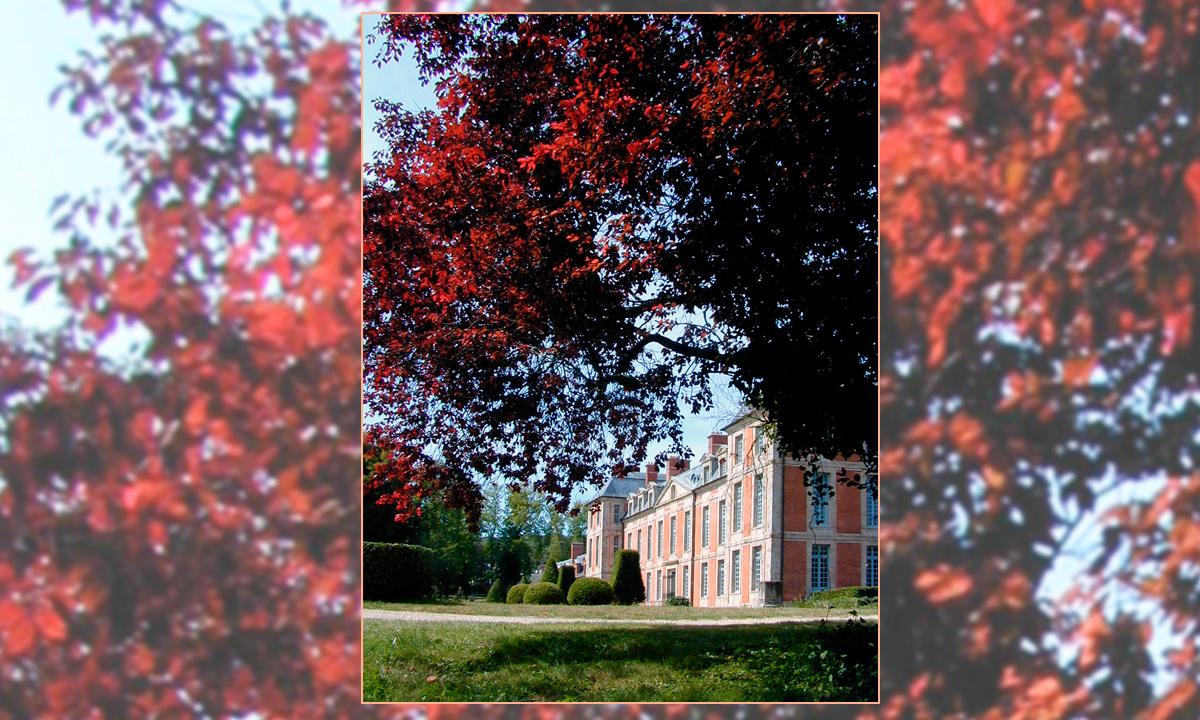
- The Château seen from the water feature : a spectacular view of the majestic building, reflecting the aristocratic past of the place.
- The lake : a peaceful setting where the water blends harmoniously with the surrounding nature.
- The Louisiana Cypresses : imposing and unique trees that add an exotic touch to the landscape.
- The Orangery : a building that preserves the beauty of gardens of yesteryear, a perfect blend of nature and architecture.
- The Allegory of the Dordogne : a fascinating work that evokes the history and culture of this region.
- The Music Pavilion : a charming little pavilion, ideal for relaxing or enjoying the view.
- The mist on the lake : a breathtaking natural spectacle, creating a mystical and serene atmosphere.
- The Boucicaut hunting lodge dining room , a place steeped in history,
- as well as the estate's chapel , a testament to its religious past.
- You can also admire the outbuildings , which now house the departmental archives.
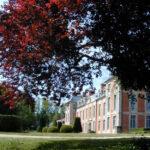
- and observe the majestic main facade of the castle , a true symbol of the estate.
Prices:
Entry is free for everyone. Workshop visit, garden walk and storytelling tour: €5 / Reduced price: €3 * Come and stroll in the heart of this magnificent park, where every corner offers an idyllic setting for a peaceful walk or a contemplative break.
The park is open all year round:
• January: 9am - 5pm • February - March: 9am - 6pm • April - May: 9am - 7pm • June - September: 9am - 8pm • October: 9am - 6pm • November - December: 9am - 5pm
Complementary information

Customer reviews

No reviews yet.
Log in to leave a review. Login
Supplier information
Chamarande Departmental Estate
 Chamarande
Built in 1654 by the architect Nicolas de l'Espine for Pierre Mérault, secretary and advisor to the King, the Château de Chamarande is a perfect example of Louis XIII style architecture, which prioritizes the color of the materials over sculpted ornamentation.
In 1682, the estate was purchased by the d'Ornaison Talaru family (first valet de chambre under Louis XIV), who retained it until 1850. From 1737 onwards, the park (98 hectares, now with a romantic appearance) was enlarged by the architect Contant d'Ivry. A water feature, an orangery, and a very original game of goose can still be seen. The addition of a pond in the 1780s may be the work of the landscape painter Hubert Robert. Purchased in 1978 by the Essonne General Council, the site has been listed as a historical monument and protected site since 1981.
From 1994 to 1999, a new period of work followed a brief period of neglect. Landscape architect Jacques Sgard strove to highlight the legacy of each era.
The vast poplar groves were cleared, vistas were restored, and the areas surrounding several buildings were landscaped for practical (Orangery) or decorative (Belvedere Pavilion) purposes.
Recognizing that the park is now an open space for the public, new walking paths were laid out, particularly around the pond. The game of goose was enhanced, partially recreated according to the plan by Contant d'Ivry (1740).
Since then, the park has been a hub of activity: contemporary art exhibitions, concerts, dance performances, open-air cinema, and theater productions. The outbuildings of the castle have been the headquarters of the Essonne Departmental Archives since 1999.