L'Orangerie Restaurant

L'Orangerie Restaurant,

Restaurant and Tea Room,
Direct Bookings
Offered by Chenonceau Castle Chenonceaux


Description

L'Orangerie Restaurant

Chenonceau Castle Palace

The transparency of green glass

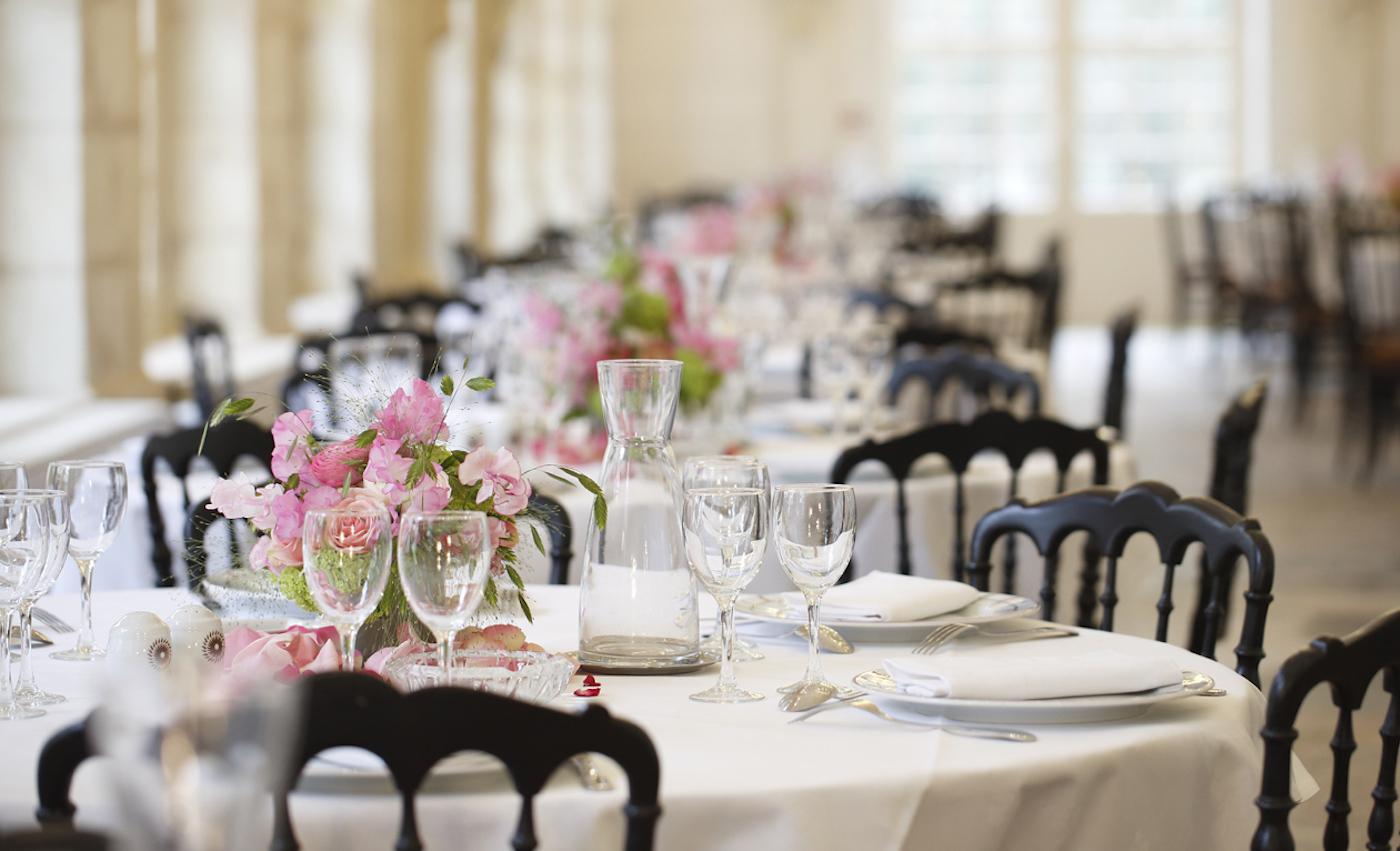
Here is a house for oranges that became a house for hours. You step inside and the light is different; it has been filtered through towering glass panes, a liquid sort of light that tastes of Touraine and centuries. Outside, the gravel of the Green Garden still clicks in your ears like a repeating clock. Inside, the ceiling reaches so high it forgets the floor, a great vaulted space where the heat of summer and the chill of winter are negotiated by stone. You sit. The chair holds you. You are no longer just a body moving through a historical monument; you are part of the reflection. The air smells of butter, crushed mint, and the sharp, clean sting of citrus wood.villégiature.

The vocabulary of afternoon tea

Time does not pass here; it accumulates. On the table, the porcelain is thin enough to show the shadow of your fingers through the clay. You look at the menu and it reads like a poem written by someone who studied the seasons. La Florentine infusion. A glass of cold white wine from the estate's own vines, tasting of flint and damp earth. You watch the other tables, the quiet geometry of strangers lifting forks, the soft collective murmur of people who have walked past the portraits of dead queens and are now trying to remember how to be alive in the present. A lemon tart arrives, its surface a perfect, unbroken yellow pool. To break it with a spoon feels like an act of gentle vandalism.
The terrace where the river watches
Then there is the outside, the Terrace of Citrus Trees, where the sun is more direct but the shadows are longer. Here, you sit under wide umbrellas that flap like the wings of heavy birds in the river breeze. The castle is right there, stretching its legs across the Cher, indifferent to your tea, indifferent to the twentieth and twenty-first centuries. You look at the orange trees in their square boxes, mobile trees that spend their lives being moved in and out of the dark. A waiter passes, silent as a ghost in an apron. The clink of a saucer against a cup is the loudest sound in the world, yet it fits perfectly between the rustle of the boxwood hedges and the low, steady hum of the water beneath the arches.
The bill and the return to the path
And then the paper arrives, the little white slip that tells you what the afternoon was worth in numbers. It is expensive, of course, because you are not just paying for flour and sugar and hot water; you are paying for the way the light hit the stone at exactly three o'clock, and for the fiction that you belong here, even if only for forty minutes. You pay. The fiction dissolves, but gently. You stand up, brush the crumbs of pastry from your sleeve, and step back out onto the gravel. The air outside is different again, wider, colder. But your mouth still tastes of lemon, and the geometry of the garden seems slightly more forgiving than it did before.

Developed during the 18th and 19th centuries and originally intended to house orange and lemon trees during the winter, the Orangerie is situated facing the Jardin Vert, from which one can discern the elegant silhouette of the château.

The restaurant gives pride of place to vegetables and citrus fruits from the Chenonceau kitchen garden.

L’Orangerie and its tea room offer savory treats and delicious sweet creations, crafted by our pastry chef.

Hot dishes are served from 11:00 AM to 2:30 PM.

A flat fee of 20 euros per person applies; any additional consumption will be charged separately on-site.

f|i|x

Complementary information

Equipment and accessibility : Accessible to people with reduced mobility, Baby changing area, Bicycle parking, coat check, Garden / Park, Parking, Terrace, toilets, Wifi
Usages : Family, For two people, Heritage, Nature, Schoolchildren
Types de lieu : Orangery, outbuildings
Atouts : Cuisine based on local products, Homemade cooking, Natural light, Organic cuisine, Park, Privatization, Remarkable Gardens, Response within 4 hours
Publics : Associations, Businesses, Family, Friends, Public Authorities, Schoolchildren, Social and Economic Committee, Trade unions
Architecture : 17th century, 18th century
Duration : 1 hour, 1 hour 30 minutes, 2 hours

Customer reviews

No reviews yet.

Supplier information

Chenonceau Castle

Chenonceau Castle

Chenonceaux , Centre-Val de Loire / Indre et Loire

Once a Crown property and later a royal residence, the Château de Chenonceau is an <strong>exceptional site, remarkable for its original design, the richness of its collections, furnishings, and decoration, but also for its history</strong> , as it was <strong>loved, managed, and protected by extraordinary women</strong> who left their mark on French history. Embellished successively by Diane de Poitiers and Catherine de Medici, Chenonceau was saved from the ravages of the Revolution by Madame Dupin. This feminine influence is ever-present, preserving it from conflicts and wars and making it a haven of peace. Chenonceau boasts an exceptional museum collection of paintings by great masters: Murillo, Tintoretto, Nicolas Poussin, Correggio, Rubens, Primaticcio, Van Loo, and others, as well as a rare selection of 16th-century Flemish tapestries. The <strong>floral decorations adorning each of the sumptuously furnished rooms</strong> further enhance its refinement. A visionary château, from the Renaissance to the Age of Enlightenment, Chenonceau has constantly embraced innovation, heir to the greatest thinkers and philosophers of its time. Today, guests from all over the world discover the quality of its hospitality through a self-guided or audio-guided tour using the video iPod (available in 11 languages).