Castle Tour
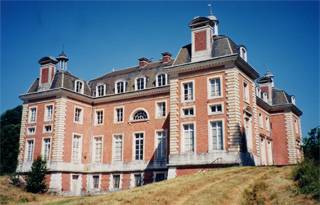
Château du Buisson de May Cultural visits Historical Built in 1783 during the reign of Louis XVI, the Château du Buisson de May is a remarkable example of neoclassical architecture. The château features two white façades and two brick façades, offering a striking contrast and…
 Proposé par
Château du Buisson de May
Proposé par
Château du Buisson de May
Description

Château du Buisson de May
Cultural visits
Historical
Built in 1783 during the reign of Louis XVI, the Château du Buisson de May is a remarkable example of neoclassical architecture. The château features two white façades and two brick façades, offering a striking contrast and a unique aesthetic harmony.
The park, laid out in the English style, is a true landscape masterpiece, designed around two semicircles and long vistas that allow you to discover the estate from different angles.
Schedules :
Visits are by appointment only, from May 1st to September 30th.
Prices:
Adults: €10 per person. Children under 18: Free. Family package: €15 (2 adults + child(ren) under 18). Groups: €9 per person. Minimum 10 people, maximum 50 people.
Complementary information

Customer reviews

No reviews yet.
Log in to leave a review. Login
Informations sur le fournisseur
<p>Built in <strong>1783</strong> , during the reign of <strong>Louis XVI</strong> , the <strong>Château du Buisson de May</strong> is an elegant neoclassical residence that combines balanced forms with refined materials. Located in the Eure department, this château is distinguished by its <strong>atypical architecture</strong> : two of its façades are made of <strong>white stone</strong> , simple and luminous, while the other two feature <strong>red brick</strong> , giving the whole a unique and harmonious visual identity.</p><p> The park, designed <strong>in the English style</strong> , is structured around <strong>two semicircles</strong> and carefully planned <strong>long vistas</strong> , offering unobstructed and romantic views reminiscent of 18th-century landscape gardens. Majestic trees, winding paths, and open spaces interact in a skillfully controlled natural composition.</p><p> The estate reflects the French art of living on the eve of the Revolution, a blend of aristocratic tradition and the modern tastes of the Enlightenment. Today, it is a preserved and unique place, where one can still feel the calm and elegance of a century in transition. A perfect stop for lovers of architecture, history, and gardens.</p>